
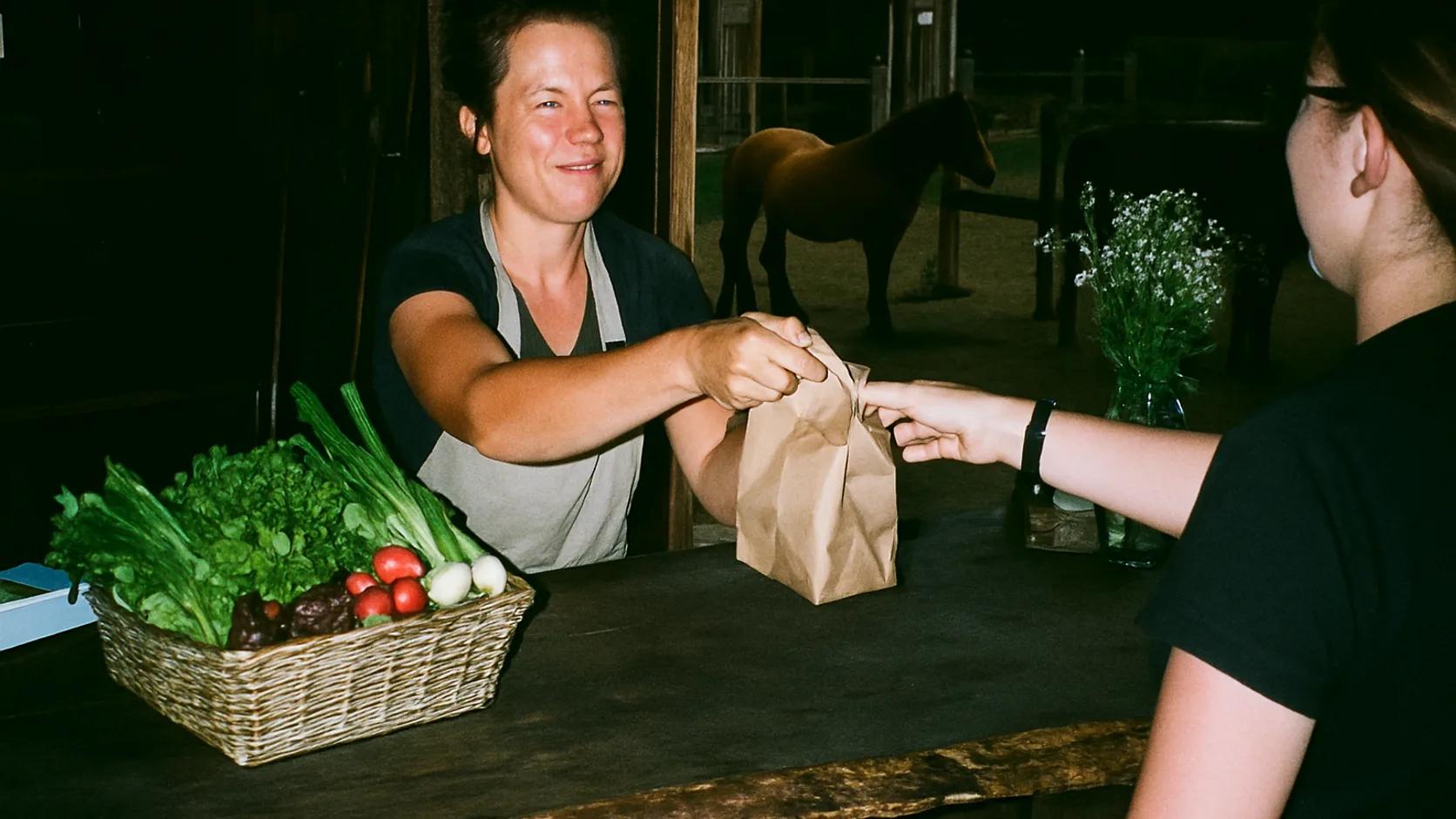
Boerderijen & directe verkoop
Vers van de boerderij betekent: elke dag even goed.
Tussen de oogst op het land en de waren in de boerderijwinkel zit het eigenlijke werk: oogst of melk binnenhalen, verwerken of direct verpakken, gekoelde waren in de vitrine of de automaat zetten, de marktkraam klaarmaken voor de verkoop, tussendoor bijsturen als een charge rijpt of de automaat bijgevuld moet worden, en 's avonds kassa en automaat afrekenen. Elke dienst geeft die toestand door aan de volgende. Staat die vast als duidelijke werkwijze, dan smaakt de worst in de boerderijwinkel net zo als op de markt, ongeacht wie er vandaag in de verwerking of de verkoop staat.
Dezelfde standaarden, van de boerderijwinkel als bijzaak tot een eigen verkooplijn.
Elk apparaat heeft zijn eigen taken
Koelcel, melkinstallatie, worstmakerij, verkoopautomaat en koeling van de marktkraam staan niet als „boerderij schoonmaken" in één lijst. Elk apparaat heeft zijn eigen taken, gescheiden naar verwerking en verkoop: melkinstallatie na elke melkbeurt reinigen, koelcel op temperatuur controleren, verkoopautomaat bijvullen en de kassa legen, koeling van de marktkraam voor vertrek controleren.
De bedrijven benoemen hun apparaten daarbij met typeaanduiding in plaats van met een soortnaam. Staat er naast de koelcel voor vlees een tweede voor zuivel, dan is bij „koelcel 2 zuivel" meteen duidelijk welke bedoeld is, en de reinigingsinstructie past precies bij het apparaat in plaats van bij een categorie.
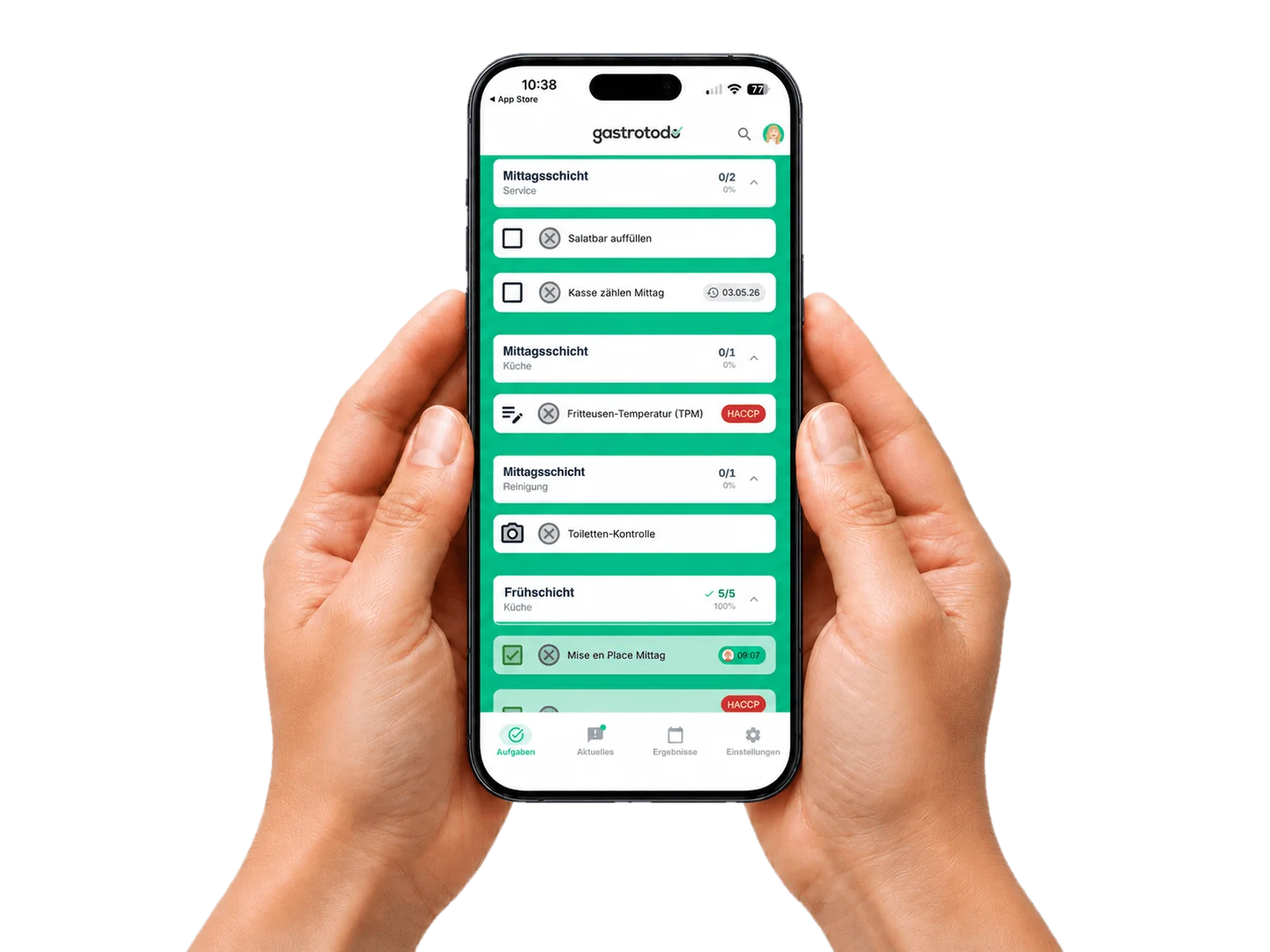
Alle taken zijn te koppelen aan apparaten uit de catalogus. Vanaf het moment van koppelen stelt het systeem automatisch de bijbehorende handleiding beschikbaar: die hangt aan het apparaat en de tekst is doorzoekbaar. De AI-assistent beantwoordt er vragen uit, zonder dat iemand de handleiding hoeft te zoeken.

Meertalig is hier de normaalste zaak
Aanmaken en rapportage gebeuren in de bedrijfstaal, Duits of Engels. Elke medewerker krijgt de taken te zien in zijn eigen taal: Duits, Engels, Spaans, Servisch, Russisch, Turks, Frans of Vietnamees. Oogsthelpers, verwerking en verkoop in de boerderijwinkel komen in deze branche zelden uit één land — dat is geen uitzondering, maar de dagelijkse praktijk.
De taal volgt daarbij de medewerker, niet de locatie. Wie liever in de eigen taal leest, krijgt de taken zo te zien, terwijl aanmaken en rapportage voor de bedrijfsleiding in de bedrijfstaal blijven.
De winkel moet vanaf de weg te zien zijn
Een boerderijwinkel ligt niet in een winkelstraat. Krijtbord aan de weg zetten, vlag naar buiten, fruit uit de koeling in de verkoop, schappen aanvullen en ordenen — dat is omzet, geen decoratie, en het staat daarom in dezelfde lijst als de temperatuurcontrole.
Het gaat tot in kleinigheden die de indruk bepalen: verlichting, muziek, de opstelling van de uitstalling. 's Avonds dan in omgekeerde volgorde — restwaar opruimen, techniek uit, kasafsluiting.
Productkwaliteit wordt vastgelegd zoals hygiëne
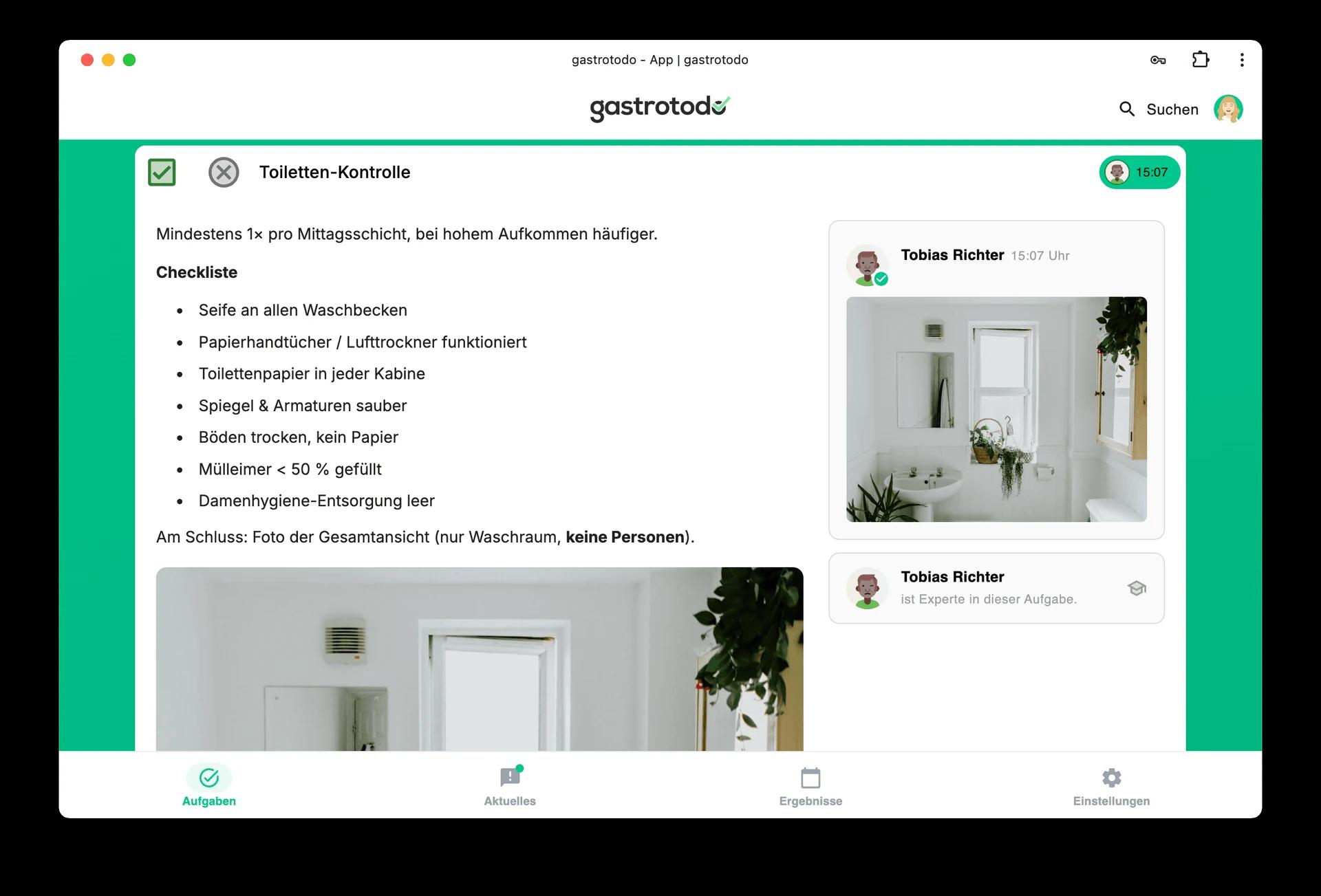
Naast de reinigingstaken lopen controlepunten op het product: herkomst en charge bij de verwerking documenteren, koelketen bij het transport naar markt of automaat controleren, rijptijden van worst en kaas aanhouden, houdbaarheid van verwerkte producten controleren. Plus de taak om de automaat meerdere keren per dag op versheid en netheid te controleren, ook als er op dat moment niemand in de boerderijwinkel is.
De registratie is hier dus niet alleen door regelgeving ingegeven. Een boerderijwinkel legt vast uit welke charge de worst komt, omdat dat precies de reden is waarom de klant het bedrijf vertrouwt.
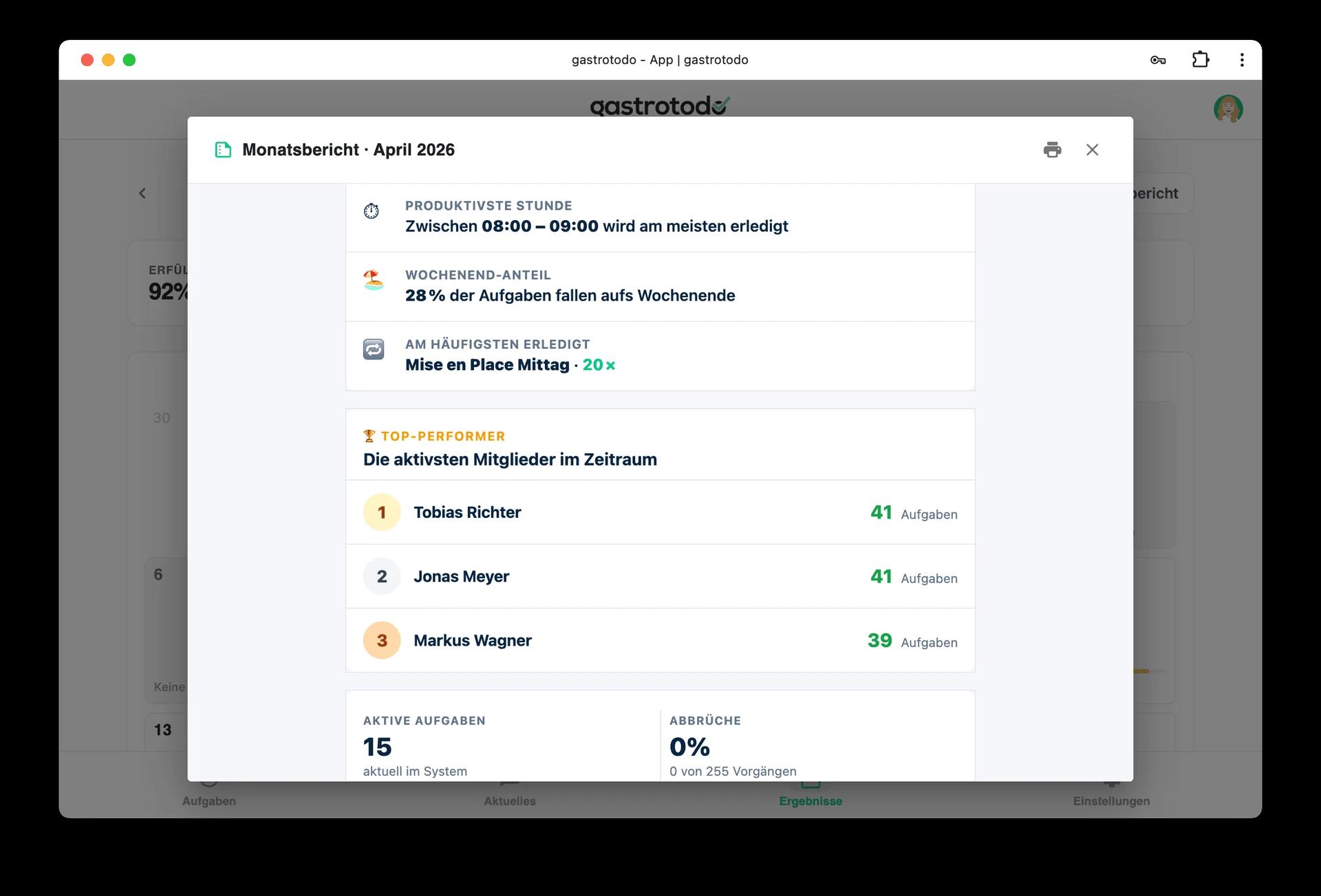
„Deze app hielp ons een meer gestructureerde dagindeling te maken — niet alleen in ons café maar ook in onze boerderijwinkel. Taken worden zo gesorteerd dat ze in volgorde worden afgehandeld — geen taak gaat meer verloren in een papierchaos. De HACCP-integratie en de boodschappenlijst zijn echte game-changers voor ons.“
Tanja, Verantwoordelijke boerderijwinkel · Spargelhof Strampe
Wat boerderijen en directe verkopers vooraf willen weten
Wij verkopen via een onbemande automaat. Hoe controleren we die als er niemand ter plaatse is?
Als taak met een vast ritme, bijvoorbeeld drie keer per dag de automaat bijvullen en op netheid controleren, ongeacht of er op dat moment iemand in de boerderijwinkel is.
Hoe vaak per dag kan een taak als de automaatcontrole terugkomen?
Zo vaak als je wilt. Je maakt die aan als afzonderlijke taken per tijdstip; dat laat later precies zien welke ronde ontbrak.
Wij zijn vooral een landbouwbedrijf, de directe verkoop loopt er maar naast. Loont het dan toch?
Ja. Je brengt alleen het deel van de boerderijwinkel in kaart, met de apparaten en taken die daarvoor echt nodig zijn, zonder het hele landbouwbedrijf in het systeem te halen.
In de oogsttijd werken bij ons veel seizoenskrachten uit het buitenland. Loont het inwerken dan wel?
Juist dan loont structuur: nieuwe oogsthelpers vinden aan de hand van de takenlijst meteen hun weg, zonder dat iemand extra tijd in het inwerken hoeft te steken. Daarnaast vertaalt de app de taken automatisch in de taal van de betreffende persoon, zodat taalbarrières geen rol spelen. Het inwerken loopt via dezelfde takenlijsten die ook in de dagelijkse praktijk worden gebruikt.
Klaar om je zaak te structureren?
Begin met gastrotodo — 7 dagen gratis en daarna door met het abonnement dat bij jouw zaak past.