
Recreatie-, zwembad- & belevenisbedrijven
Veilig is wat elke ochtend opnieuw wordt gecontroleerd.
Tussen de eerste veiligheidscheck 's ochtends en de opening voor de gasten zit het eigenlijke werk: waterwaarden in alle baden meten, glijbanen en attracties op werking controleren, reddingsmiddelen en EHBO-uitrusting nalopen, kleedkamers en douches schoonmaken, tussendoor bijsturen als een waarde afwijkt of een attractie onverwacht onderhoud nodig heeft, en 's avonds de accommodatie afsluiten en klaarzetten voor de volgende dag. Elke dienst geeft die toestand door aan de volgende. Staat die vast als duidelijke werkwijze, dan gaat de glijbaan op maandag net zo veilig open als op zaterdag, ongeacht wie er vandaag dienst heeft.
Dezelfde standaarden, van het openluchtbad om de hoek tot het pretpark met duizenden gasten per dag.
Elk apparaat heeft zijn eigen taken
Filterinstallatie, badtechniek, glijbaan, attractie en sauna staan niet als „installatie controleren" in één lijst. Elk apparaat heeft zijn eigen taken, gescheiden naar opening en sluiting: filterinstallatie terugspoelen, badwater controleren op chloor en pH-waarde, glijbaan controleren op scheuren en bevestiging, attractie volgens voorschrift van de fabrikant in bedrijf nemen.
De bedrijven benoemen hun apparaten daarbij met typeaanduiding in plaats van met een soortnaam. Heeft het park meerdere achtbanen of het zwembad meerdere baden, dan is bij „bad 2 ondiep" meteen duidelijk welk bad bedoeld is, en de controle-instructie past precies bij het apparaat in plaats van bij een categorie.
Alle taken zijn te koppelen aan apparaten uit de catalogus. Vanaf het moment van koppelen stelt het systeem automatisch de bijbehorende handleiding beschikbaar: die hangt aan het apparaat en de tekst is doorzoekbaar. De AI-assistent beantwoordt er vragen uit, zonder dat iemand de handleiding hoeft te zoeken.
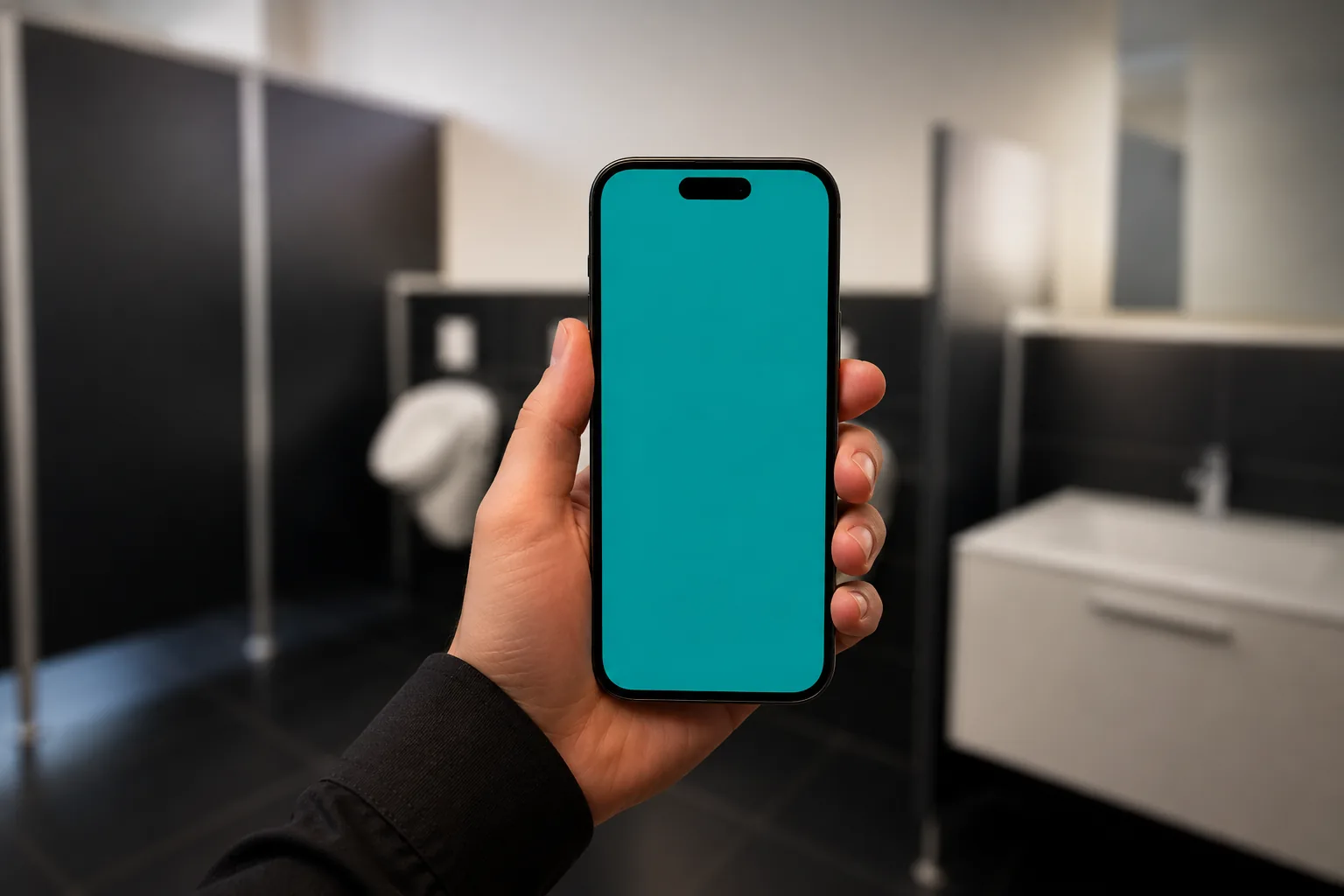
Meertalig is hier de normaalste zaak
Aanmaken en rapportage gebeuren in de bedrijfstaal, Duits of Engels. Elke medewerker krijgt de taken te zien in zijn eigen taal: Duits, Engels, Spaans, Servisch, Russisch, Turks, Frans of Vietnamees. Badmeesters, redders, technische dienst en verkoop komen in deze branche zelden uit één land — dat is geen uitzondering, maar de dagelijkse praktijk.
De taal volgt daarbij de medewerker, niet de locatie. Wie liever in de eigen taal leest, krijgt de taken zo te zien, terwijl aanmaken en rapportage voor de bedrijfsleiding in de bedrijfstaal blijven.
Het werk begint bij de ingang, niet bij de toonbank
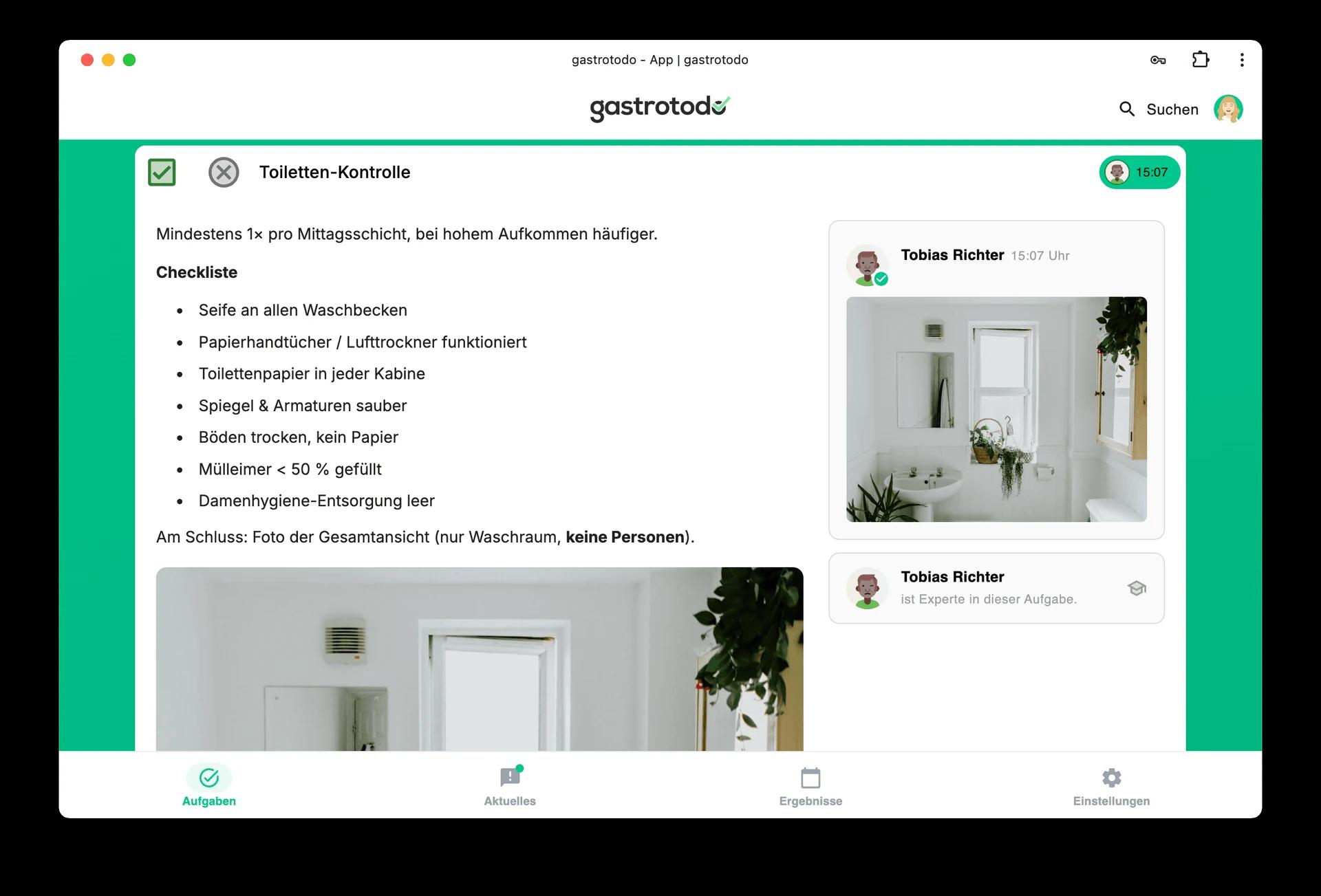
Kleedkamers openen en schoonmaken, toiletten van het slot, afvalronde langs het strand, sanitairgebouw controleren, parasols en buitenmeubilair opbouwen: dat hoort bij het bedrijf, maar ligt buiten de gastruimte, en niemand komt er toevallig langs.
Daar komt het seizoen bij. Terreindelen komen er tijdelijk bij en verdwijnen weer, en voor een strandbedrijf zegt een jaartal weinig. Bepalend is hoe snel de accommodatie in het voorjaar weer volledig draait.
Veiligheid wordt vastgelegd zoals hygiëne
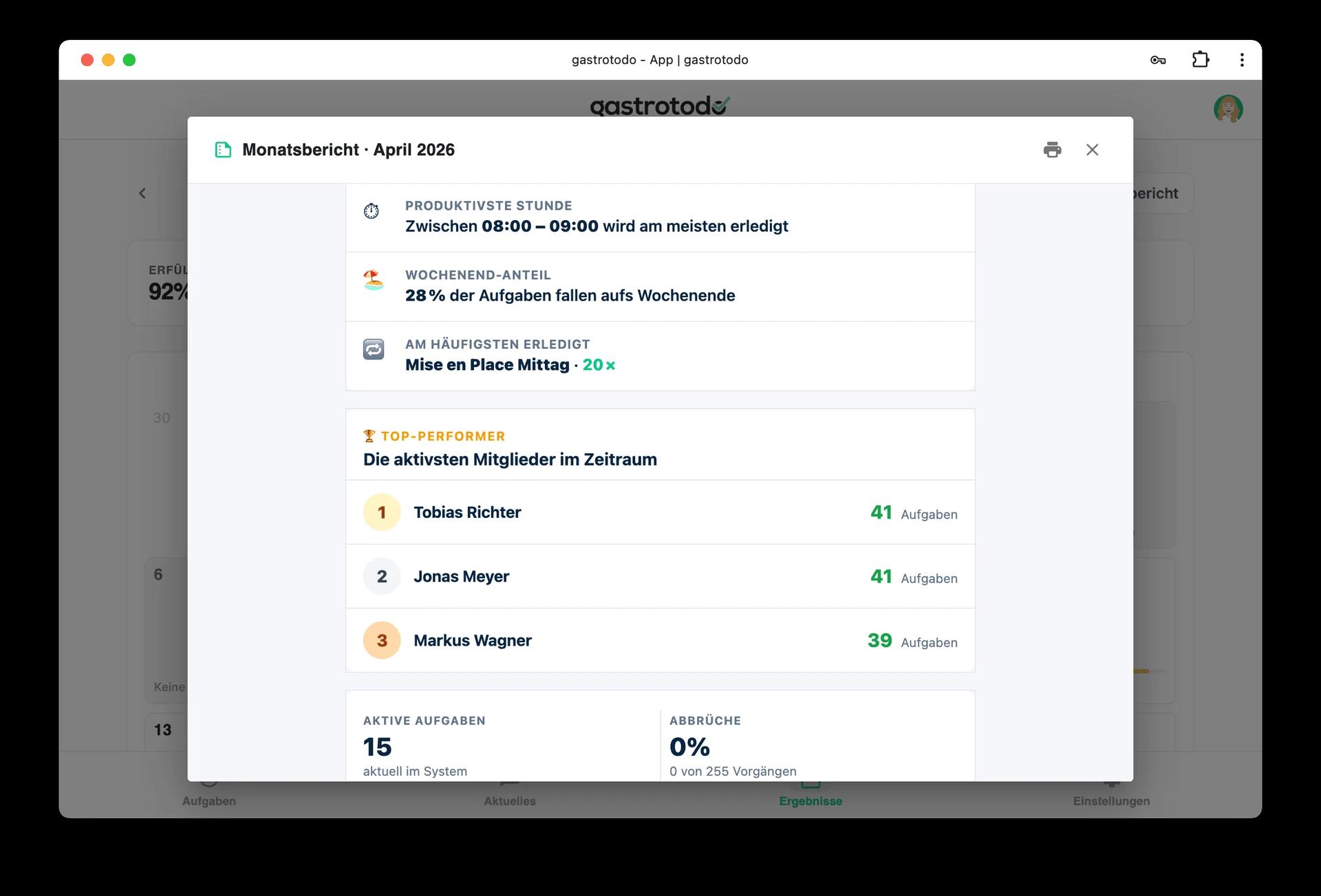
Naast de reinigingstaken lopen controlepunten op de installatie: waterwaarden meerdere keren per dag documenteren, de dagelijkse veiligheidscontrole van de attracties voor de opening bevestigen, reddingsmiddelen controleren op volledigheid, het toezicht bij het bad zonder onderbreking bezet houden. Plus de taak om na elk onderhoud de vrijgave van de attractie schriftelijk te bevestigen, voordat de eerste gast instapt.
De registratie is hier dus niet alleen door regelgeving ingegeven, maar beschermt in geval van nood ook het bedrijf zelf. Een zwembad of park legt vast dat elke glijbaan en elk bad gecontroleerd is voordat de eerste gast komt.
Wat uitbaters van pretparken en zwembaden vooraf willen weten
Wij hebben meerdere baden en attracties met verschillende controle-intervallen. Past dat in één systeem?
Ja. Elk apparaat krijgt zijn eigen controlefrequentie, of dat nu dagelijks, wekelijks of volgens voorschrift van de fabrikant is.
Hoe vaak per dag kan een taak als de controle van de waterwaarden terugkomen?
Zo vaak als je wilt. Controles per uur maak je aan als afzonderlijke taken per tijdstip; dat laat later precies zien welke ronde ontbrak.
Het onderhoud van de attracties doet een extern bedrijf. Werkt het dan toch?
Ja. Taakinhouden kun je via QR-codes beschikbaar stellen voor externe toegang; het onderhoudsbedrijf werkt zijn controlepunten direct bij het apparaat af, zonder eigen login in het systeem.
Wij hebben ook een kiosk of restaurant in het park. Loopt dat in hetzelfde systeem?
Ja. De horeca kun je als eigen onderdeel met eigen hygiënetaken voeren, direct naast de technische controles van de accommodatie.
Klaar om je zaak te structureren?
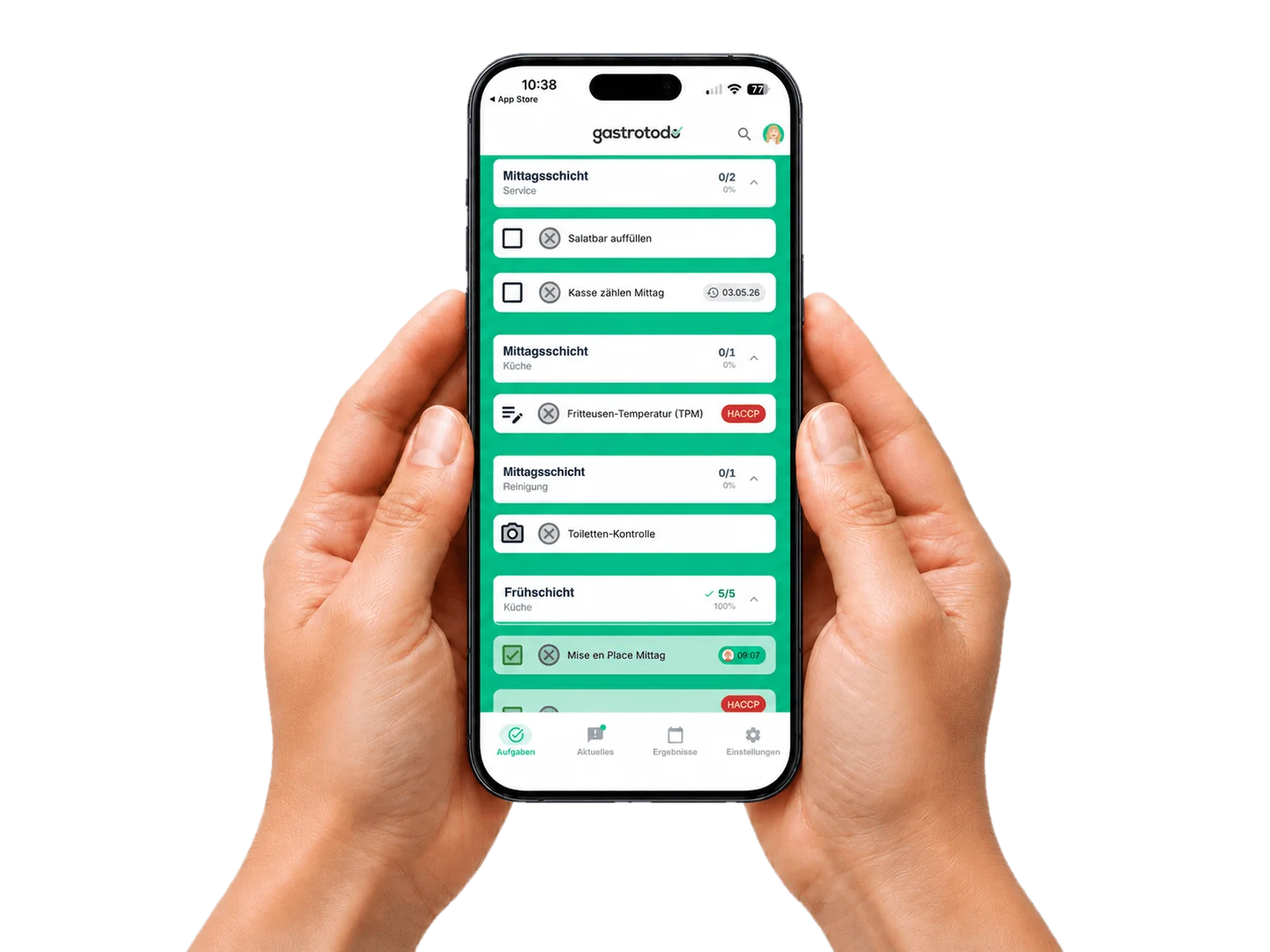
Begin met gastrotodo — 7 dagen gratis en daarna door met het abonnement dat bij jouw zaak past.